Last updated: August 2026
Diaper Rash: 8 Common Causes (and How to Clear It Up Fast)
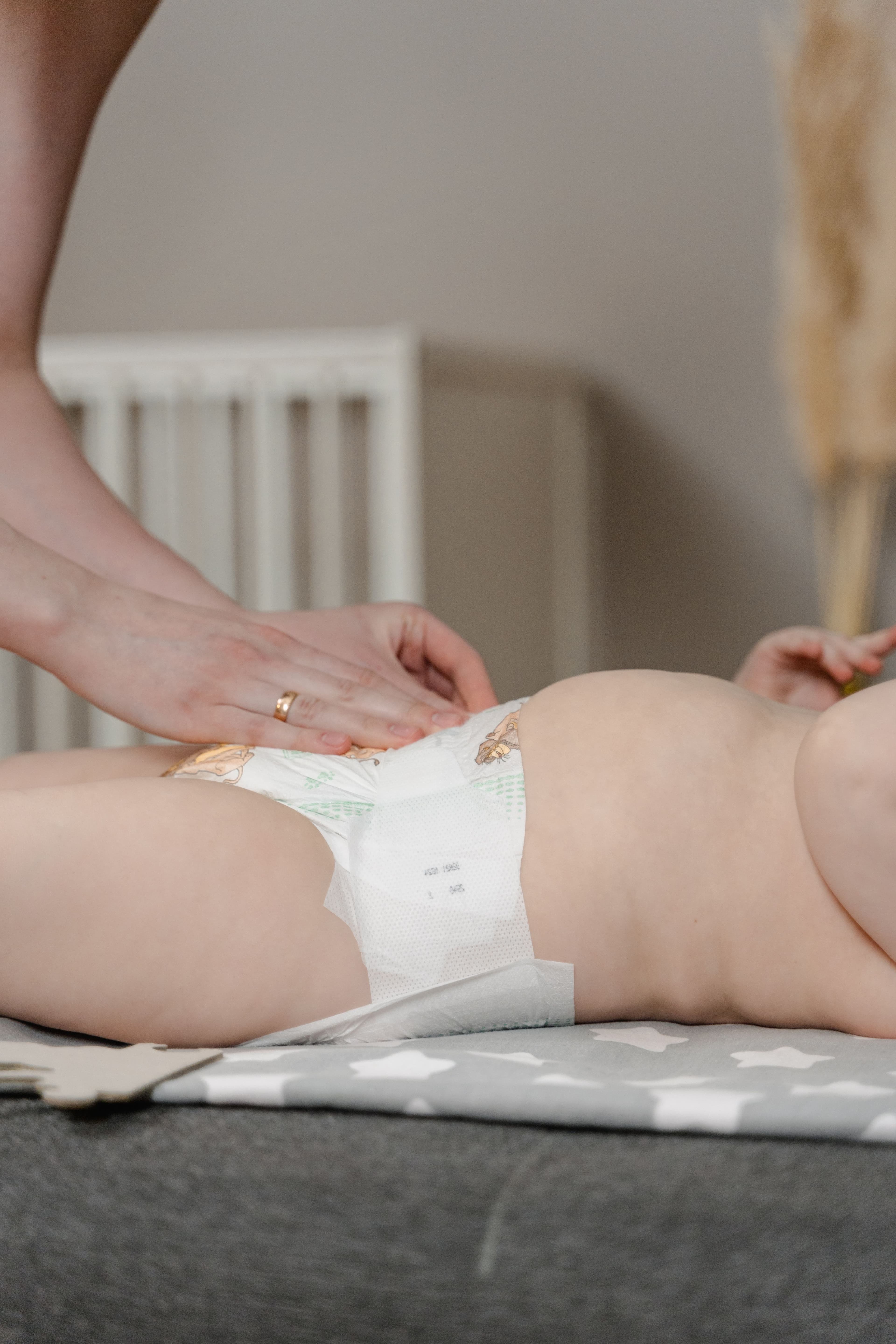
Almost every baby will get diaper rash at some point.
One day your baby's skin looks perfectly normal. The next, it's red, sore and your little one suddenly seems much less happy during diaper changes.
The good news is that most diaper rashes are mild and clear up within a few days with the right care.
Just as importantly, it doesn't necessarily mean you're using the wrong diaper. In many cases, something else is causing the irritation.
Here's a quick summary before we go into detail:
| Possible Cause | Usually Improves With |
|---|---|
| Wet diaper left on too long | More frequent changes |
| Diaper doesn't fit properly | Moving up a size |
| Diarrhoea | Frequent changes and a barrier cream |
| New foods introduced | Time and a barrier cream |
| Sensitive skin | A softer diaper or fragrance-free wipes |
| A new wipes brand | Switching back, or water and cotton wool |
| Yeast infection | A GP or paediatrician, not barrier cream alone |
| Not the diaper at all | Better fit, more changes, consistent barrier cream |
Let's look at the most common causes and what you can do about them.
1. A Wet or Dirty Diaper Stayed On Too Long
This is the most common cause of diaper rash.
When urine and stool stay against your baby's skin for too long, they start to break down the skin's natural protective barrier. The result is redness, irritation and discomfort.
A simple, uncomplicated diaper rash usually looks like patches of red, slightly inflamed skin across the bottom, thighs and genitals, but it typically spares the deep skin folds in the groin, since that area gets less direct contact with urine and stool. It can feel warm or tender to the touch, and your baby may fuss more than usual during changes. Keep this in mind as you read through the causes below, since a few of them look noticeably different.
What to do
- Change wet diapers roughly every 2–4 hours, and change a soiled diaper as soon as you notice it — don't wait for a scheduled change. This lines up with what the American Academy of Pediatrics recommends for preventing most diaper rash in the first place.
- Clean the area gently with water or fragrance-free wipes.
- Let the skin air dry for a minute or two, or pat it dry with a clean towel, before putting on a fresh diaper. Sealing in any dampness under a new diaper defeats the purpose.
- Apply a barrier cream at every change until the rash improves.
2. The Diaper Doesn't Fit Properly
A diaper that's too small can rub against your baby's skin, especially around the legs and waist.
Even if your baby is still within the recommended weight range, they may simply have outgrown the fit.
Signs it's time to size up
- Red marks around the legs
- Frequent leaks
- Blowouts
- Tabs stretching to reach the front
If you're seeing several of these signs, moving up one size often solves the problem.
3. Diarrhoea Can Cause a Rash Very Quickly
To be clear on what counts here: diarrhoea means genuinely loose, watery stools that happen more often than your baby's normal pattern, not just a slightly softer nappy. It's this looser, more frequent stool specifically that irritates skin far more than urine or a normal bowel movement would.
That's why many babies develop diaper rash after a tummy bug, antibiotics or a bout of diarrhoea.
What to do
Change diapers as soon as possible after each bowel movement and use a generous layer of barrier cream until things settle down.
4. New Foods Can Change Your Baby's Stool
This surprises a lot of parents.
This one is tied to starting solids specifically, so it becomes relevant from around six months onward, whenever your baby actually starts eating them, rather than being a newborn-stage issue. Certain foods can make stool more acidic once they're introduced.
Common culprits include:
- Tomatoes
- Citrus fruits
- Berries
- Pineapple
Not every baby reacts, but if a rash appears soon after introducing a new food, it may simply be your baby's skin adjusting.
If you're still exclusively breastfeeding, this can go the other way too. Some babies react to something in their mother's diet, not their own.
5. Your Baby May Have Sensitive Skin
Some babies have naturally sensitive skin and react more easily to fragrances, lotions or certain diaper materials.
Heat and humidity make this worse, which matters here in the UAE. Pediatric sources note that diaper rash tends to flare up more often during hot, humid weather, likely because more sweating means more moisture trapped against the skin under the diaper, on top of whatever's already there. That combination tends to hit sensitive skin hardest.
That doesn't automatically mean you need to buy the most expensive diaper on the shelf.
Sometimes switching to a softer diaper or choosing fragrance-free wipes is enough.
6. It Might Actually Be the Wipes
It's easy to blame the diaper, but wipes can sometimes be the real cause.
If you've recently changed wipe brands or started using scented wipes, try switching back or using cotton wool and warm water for a few days.
If the rash improves and doesn't come back, you've probably found the culprit.
7. It Could Be a Yeast Infection
Not every diaper rash is caused by moisture or friction.
Sometimes it's caused by yeast, or occasionally bacteria, especially if a simple rash has been left untreated for a while and spreads.
A yeast infection is more likely if your baby has recently been on antibiotics, or you have. Antibiotics kill off some of the bacteria that normally keep yeast in check, which can let it grow more than usual.
A yeast rash often looks:
- Bright red
- Shiny
- Well defined around the edges
- Surrounded by small red spots or bumps
- Often worse right in the groin folds — unlike a simple rash, which usually spares that area
Unlike a simple diaper rash, it usually doesn't improve with barrier cream alone.
If you suspect a yeast infection, it's worth speaking to your GP or paediatrician, as an antifungal cream may be needed.
8. The Diaper May Not Be the Problem
This is probably the biggest misconception.
Many parents assume that diaper rash means they need to switch brands immediately.
Sometimes that's true.
Often it isn't.
A better fit, more frequent diaper changes or using a barrier cream consistently may solve the problem without changing diapers at all.
If your baby continues to get rashes despite trying those things, then it may be worth trying a diaper built specifically around rash prevention. Look for one with a higher aloe vera content and a design built around leak protection, since that combination is usually the point of these diapers.
How to Help a Diaper Rash Heal Faster
Most mild diaper rashes improve within a few days.
In the meantime, try to:
- Change diapers more often.
- Rinse the area with warm water rather than just wiping, especially after a bowel movement. It's gentler than repeated wiping and does a better job of actually cleaning the skin.
- Let your baby's skin air dry for a few minutes during changes.
- Apply a thick layer of barrier cream.
- Avoid scrubbing the skin when cleaning.
- Use warm water if wipes seem to sting.
The goal is simple: keep the area as clean, dry and protected as possible.
When Should You See a Doctor?
Most diaper rashes clear up on their own within a few days of the basic care above.
However, it's worth seeing your GP or paediatrician if:
- The rash isn't improving after two or three days.
- The rash is blistering, bleeding or oozing.
- Your baby has a fever.
- The rash is spreading outside the diaper area.
- Your baby seems to be in pain or cries when passing urine or stool.
- You think it might be a yeast infection.
One thing worth knowing, especially for babies with brown or Black skin: a healing rash can sometimes leave the skin temporarily lighter in that area. This usually fades on its own over a few weeks, though more severe rashes can take longer to even out. It's not a separate problem, just something the skin does while it recovers.
Frequently Asked Questions
Can diapers cause diaper rash?
Sometimes, but they're often not the main cause. Moisture, friction, diarrhoea, wipes and sensitive skin are all common triggers.
Should I change diaper brands if my baby gets a rash?
Not immediately. First check the fit, change diapers more frequently and use a barrier cream. If the rash keeps coming back, it may be worth trying a different diaper.
Which diapers are best for babies with sensitive skin?
There's no single “best” diaper for every baby. Generally, look for diapers with soft materials, a good fit and reliable absorbency to help keep moisture away from the skin.
Can teething cause diaper rash?
Not directly, but there's a real, indirect link worth knowing. Teething babies tend to drool a lot more, and swallowing that extra saliva can loosen their stool slightly and make bowel movements a bit more frequent. That looser, more frequent stool is what can irritate the skin, not the teething itself. If your baby has a high fever or genuinely severe diarrhoea alongside teething, that's more likely a separate infection and worth mentioning to your doctor rather than putting down to teething alone.
How long does diaper rash usually last?
Most mild diaper rashes improve within two to three days with frequent diaper changes and appropriate skin care.
Our Take
Most diaper rashes aren't caused by choosing the “wrong” diaper.
In our experience, the biggest improvements usually come from changing diapers more often, making sure the fit is right and protecting the skin with a good barrier cream.
Only if the rash keeps coming back would we consider changing diaper brands.
If you do decide to try a different diaper, compare price per diaper rather than just the box price. Premium diapers often go on promotion, and sometimes the price difference is much smaller than you'd expect.
Before you buy, compare today's prices across the UAE retailers we track, and don't forget to check our Coupons page for the latest offers.
This guide is for general information only and isn't a substitute for medical advice. If you're concerned about your baby's rash or it isn't improving, speak to your GP or paediatrician.